
When it comes to purchasing diamonds, one of the most important decisions you’ll make is choosing which certification to trust. Two of the most well-known and respected grading organizations are the Gemological Institute of America (GIA) and the International Gemological Institute (IGI). Both of these organizations provide valuable insights into a diamond’s quality, but they differ in several key areas. In this article, we will compare GIA vs. IGI to help you understand their differences and guide your decision-making process.
Understanding Diamond Certification
A diamond’s certification provides an in-depth analysis of its quality, based on factors like carat weight, cut, color, and clarity. The certification process is crucial for buyers to ensure they are receiving a high-quality gemstone.
In the diamond world, the two biggest names in certification are gia vs igi. But how do they compare, and which one is better for your needs?
What is GIA?
The Gemological Institute of America (GIA) is one of the most reputable and trusted names in the diamond industry. Established in 1931, GIA is known for its strict and highly standardized grading system. It is a nonprofit organization that is recognized globally for its diamond education and grading services.
GIA Diamond Grading Scale
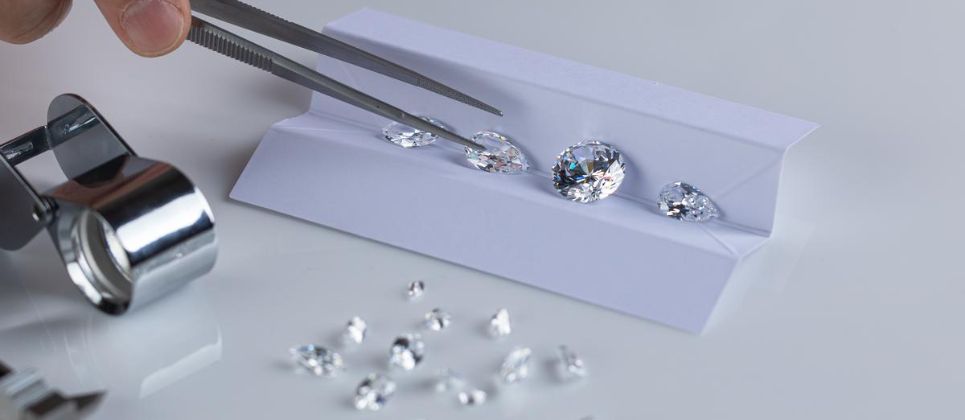
GIA uses a consistent grading scale known as the 4 Cs (Carat Weight, Cut, Color, and Clarity). Each diamond graded by the GIA undergoes a thorough, in-depth inspection process by experienced gemologists. Diamonds are graded under a microscope and with specialized equipment, ensuring highly accurate and reliable results.
Pros of GIA:
- Highly trusted and respected globally.
- Transparent and consistent grading.
- Strict grading standards, reducing the chance of inflated reports.
Cons of GIA:
- The grading process can be expensive.
- Longer turnaround times for grading compared to some other labs.
What is IGI?
The International Gemological Institute (IGI), founded in 1975, is another well-known name in the diamond grading industry. IGI operates globally and provides diamond certification similar to GIA, but with some notable differences in its approach.
IGI Diamond Grading Scale
IGI also utilizes the 4 Cs when grading diamonds, but its grading system is sometimes seen as less stringent than GIA’s. IGI is known for offering quicker turnaround times and more affordable services compared to GIA.
Pros of IGI:
- More affordable and faster grading process.
- Trusted by some jewelry retailers, especially in the fashion and fine jewelry sectors.
Cons of IGI:
- Less stringent grading standards compared to GIA.
- IGI certificates may not carry the same weight in the industry, particularly in high-end markets.
Key Differences Between GIA and IGI
While both GIA and IGI provide valuable services, there are several key differences to consider when choosing a certification for your diamond purchase.
Grading Accuracy and Trustworthiness
GIA is widely considered the gold standard in diamond grading. The organization’s grading process is known for its precision, reliability, and transparency. As a result, diamonds with GIA certificates tend to hold their value better in the market.
IGI, on the other hand, has a more lenient approach to grading. This could potentially lead to discrepancies in the reported quality of the diamond compared to other grading labs. While IGI is trusted in certain segments of the market, diamonds graded by IGI might not command the same premium as those graded by GIA.
Turnaround Time
When it comes to speed, IGI has an edge. They provide faster grading reports, which can be beneficial for retailers and customers who need quick results. However, this speed may come at the cost of thoroughness, which could affect the grading accuracy.
GIA, while more rigorous and time-consuming, ensures a thorough examination of each lab diamonds, which can take more time to complete. This is why GIA’s certificates tend to be highly regarded.
Pricing
Since IGI offers quicker grading services and has lower overhead costs, it typically provides more affordable certification. GIA’s higher grading fees reflect its stringent quality standards, and customers may have to pay more for a GIA certificate.
Which Certification Should You Choose?
Ultimately, the choice between GIA vs. IGI depends on your specific needs and budget. Here are some considerations:
Choose GIA If:
- You are looking for the highest level of trust and reliability.
- You want a diamond that holds its value over time.
- You’re purchasing a high-end or investment-grade diamond.
- You need a certificate that is widely accepted and recognized globally.
Choose IGI If:
- You are working within a more budget-conscious market.
- You need a quicker grading process.
- You are purchasing a diamond for fashion or jewelry purposes, where immediate certification is essential.
Conclusion
In the debate between GIA vs. IGI, both certification organizations offer valuable services, but their approaches differ. GIA is considered the industry leader due to its rigorous standards, transparency, and accuracy. On the other hand, IGI offers a more affordable and faster grading process, which might appeal to certain buyers, particularly in the fashion jewelry market.
Before making your diamond purchase, consider your priorities. If you value absolute certainty and the best resale value, GIA is the better choice. However, if you’re looking for an affordable option with faster processing time, IGI might be more suitable for your needs.