


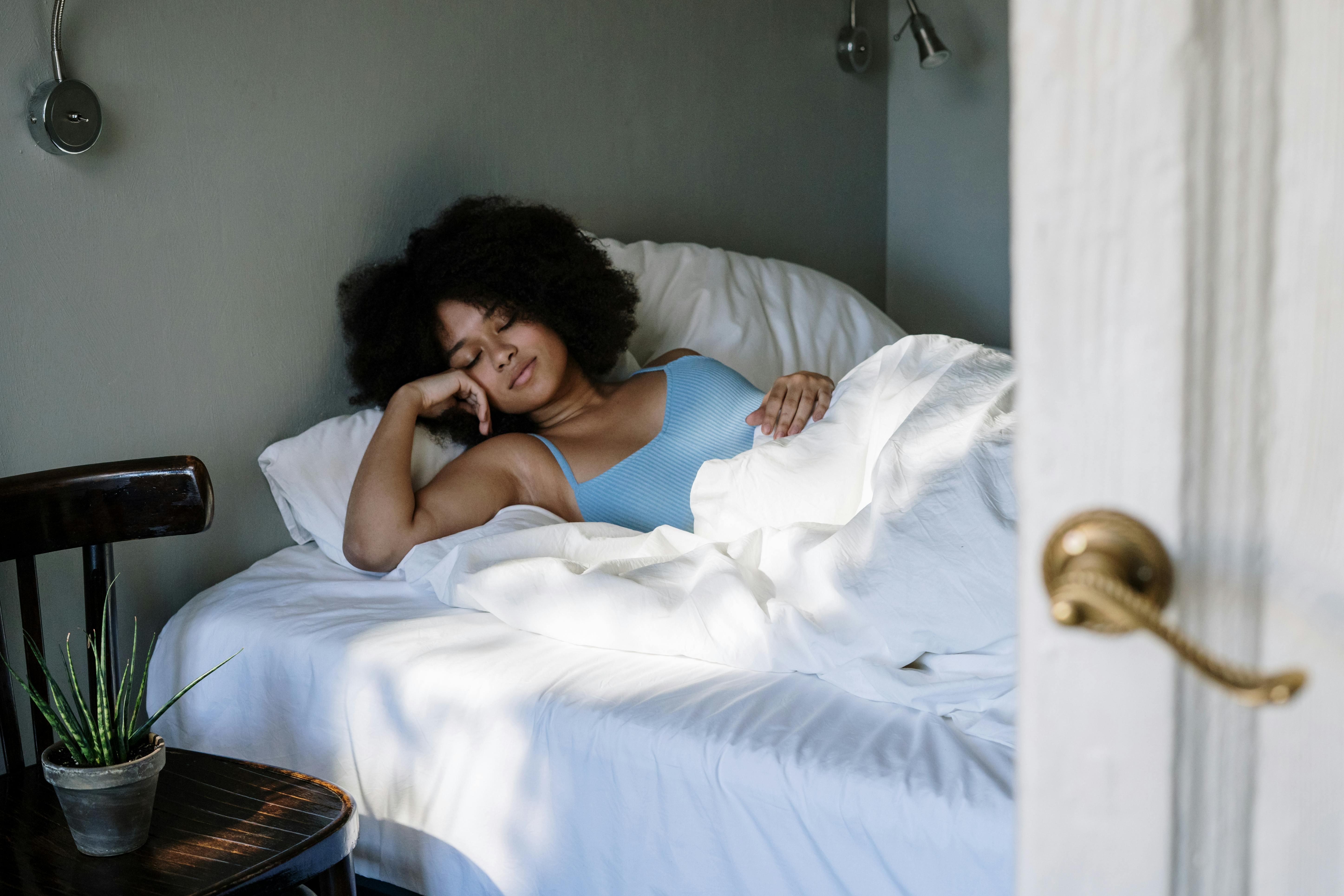
Good sleep shouldn’t be a luxury item. And yet, between $300 pillows, weighted blankets that cost as much as rent, and mattresses that need a payment plan, the wellness industry makes rest feel expensive.
But here’s the truth: you don’t need fancy gear to sleep better. You need habits that work, tools that help—not overwhelm—and a bedroom that doesn’t double as a disco.
If your sleep’s been trash and your wallet’s on edge, you’re in the right place. Let’s talk budget-friendly ways to upgrade your rest—without draining your bank account.
Cut the Light, Not the Budget
First up: darkness. It’s essential. Light, especially the blue kind from screens and bulbs, tells your brain, “Stay up! It’s party time!” But you can outsmart it.
Use blackout curtains—or go DIY with a thick, dark bedsheet. Got streetlights beaming in? A cheap sleep mask from your nearest pharmacy does wonders. Dim your lights an hour before bed. Warm, low lighting helps your body produce melatonin, the sleep hormone.
No cash for fancy smart bulbs? Switch to soft, warm LED ones. Same vibe. Less buzz.
Screen Curfew: Free, But Powerful
We’re not saying ditch your phone forever (please, we’re not monsters). But put it away at least 30 minutes before bed. Scrolling TikTok or replying to emails keeps your brain alert, not sleepy.
Use that time for something that cues rest: stretching, reading, journaling, or pretending to read while actually dozing off. Even silence works.
And here’s where a smart watch can save the day: it keeps you informed without pulling you into a screen vortex. You can check the time, set alarms, or glance at notifications—without falling into the social media rabbit hole.
Make Your Room a Sleep Zone
Your bed isn’t for work, meals, or overthinking. It’s for sleep (okay, and maybe cuddles).
Declutter your space. Toss out the laundry pile. Make your bed every morning—it signals to your brain that your bed is a reset zone, not a stress zone.
You don’t need fancy candles or essential oil diffusers. Open the windows in the morning. Let the daylight reset your internal clock. At night, keep it cool and quiet. If you live in a noisy area, try white noise apps or low-cost earplugs.
Sleep thrives in simplicity.
Watch the Caffeine (and That 10 p.m. “Light Snack”)
Caffeine can linger in your body for up to 10 hours. So that 4 p.m. iced coffee? It might be wrecking your 2 a.m. sleep.
Same with late-night snacking—especially sugary or spicy food. It can raise your core temperature and trigger digestion chaos, making sleep harder.
Stick to water or herbal tea in the evening. And if you have to snack, go for something light—like a banana or some nuts. No five-course midnight feasts, okay?
Smart Watches: Your Low-Key Sleep Coach
You don’t need to spend big to understand your sleep. A smart watch offers sleep tracking that rivals apps and wearables three times the price.
Most smart watches track when you fall asleep, how often you wake up, and how much deep sleep you get. Some even suggest when to start winding down, based on your patterns.
Why does this matter? Because what gets measured gets managed. When you know you’re only getting five hours of actual rest, you can tweak things—bedtime, screen time, caffeine—to improve it.
Plus, some watches vibrate silently to wake you during light sleep. No loud alarms. Just a gentle nudge to start your day without the jolt.
Build a Wind-Down Routine That Costs Nothing
Routine is magic. It tells your brain, “Hey, we’re powering down now.” And guess what—it doesn’t need to cost a peso.
Pick 2–3 things you do in the same order every night. Example:
- Change into comfy clothes
- Brush teeth
- Do a quick stretch
- Breathe deeply for one minute
That’s it. Do it nightly. Consistency matters more than perfection.
You can even use your smart watch to time this routine or schedule a nightly reminder: “Time to unplug.”
Move More During the Day
If you’re restless at night, check your daytime activity. Movement matters.
No need for gym memberships. Walk around your block. Climb the stairs. Stretch while watching Netflix. Being active helps you fall asleep faster and stay asleep longer.
Your smart watch can track steps and activity levels—giving you a simple nudge if you’ve been sitting too long. Sometimes, a better night’s sleep starts with just a bit more movement during the day.
Don’t Obsess—Adjust
Here’s the secret: don’t chase perfect sleep. Track it, yes. Be aware, yes. But don’t spiral every time you have a rough night.
Use the data from your smart watch as gentle feedback, not a scolding. Maybe you didn’t sleep well because you had a late dinner. Or your room was too warm. Learn and adjust.
Sleep is a relationship. It takes time to rebuild trust.
Final Thoughts: Rest Doesn’t Have to Be Expensive
Improving your sleep isn’t about buying a new mattress, blackout tent, or soundproof pod. It’s about small, repeatable actions—done with intention.
Smart watches offer affordable support by tracking habits and guiding smarter rest choices. But you don’t need a lot of tech. Just the willingness to unplug, slow down, and honor your need for rest.
Better sleep isn’t a luxury. It’s your right. And you can start improving it—tonight.