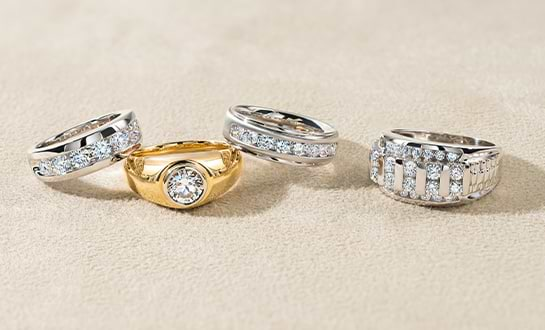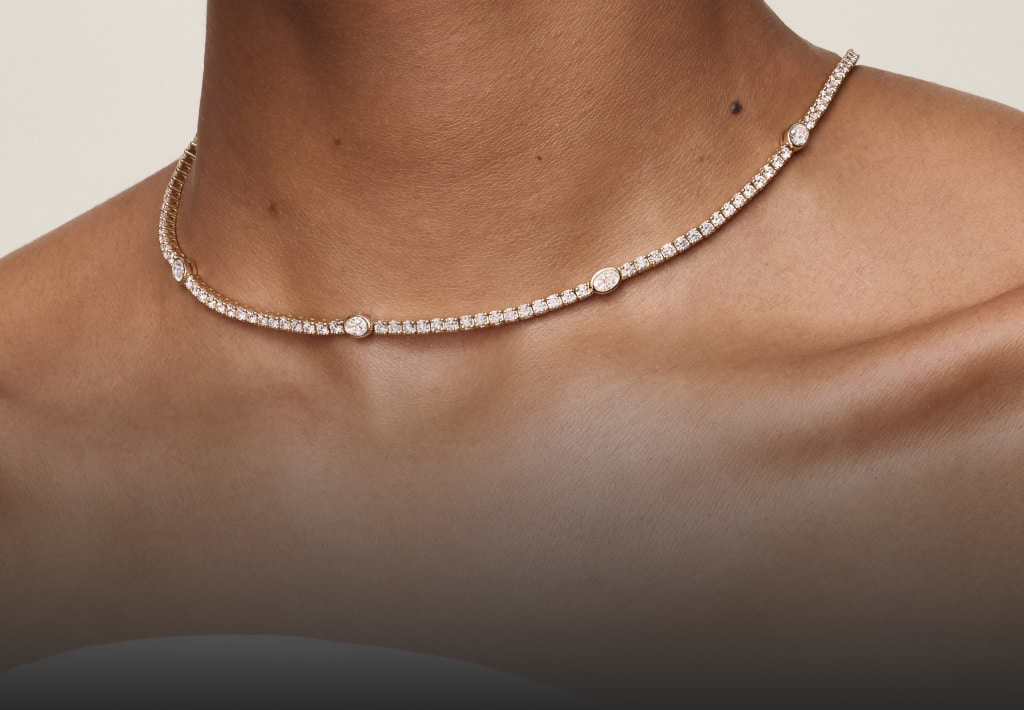

A person can make diamonds that are just like the ones found below ground. Though formed above earth, they sparkle and feel identical. Same atoms locked in the same pattern give them equal toughness. What sets them apart is where they come from, nothing more. Scientists build these gems by copying how nature works under pressure and heat. A single sparkle looks just like another when tested by light, touch, or time. Tools shape both kinds the same way, following familiar rules of craft. Side by side, one from earth and one made in labs blends without hint. Only machines whisper the truth experts can’t see alone.
By what method these come into being
One way to man made diamonds involves high pressure and heat. Another uses a gas-filled chamber where carbon builds up slowly.
High Pressure High Temperature
Heat wraps carbon tight, much like Earth does deep below. Pressure builds high, forcing atoms into new shapes slowly. A tiny starter core catches the forming crystal bit by bit. Weeks pass while layers pile up without rush or sound.
Chemical Vapor Deposition
A single drop of carbon-heavy gas gets heated until it splits apart. From there, tiny pieces stick one at a time onto a base made of real diamond. This build-up takes longer but runs with tighter precision. Gem-level results come out either way. What sets them apart shows only under close inspection, meaningful mainly to experts.
Why buyers are choosing lab grown diamonds
Not chasing fashion here. Control matters most, so does knowing every detail. Buying one of these lab-made diamonds means origin isn’t hidden. Growth time? That’s clear too. It started with how it’s made – that part people often care about. Clear details count for plenty shopping choices. Cost shows up next – lab created stones usually run cheaper than natural ones that match on quality points. With savings there, attention might shift toward shape or carat instead of skipping clear grades. Nature takes notice too – the footprint left behind isn’t ignored. Mining stirs up vast stretches of land. Growing diamonds takes power instead – enough that certain customers see a clearer path here.
What this means for fine jewelry
One after another, identical gems line up in styles such as tennis bracelets. Match matters – size, shade, sparkle – all need to flow without a break. Thanks to lab made diamonds, uniformity gets simpler. With steady production, jewelers find nearly perfect pairs faster than before. A single smooth flow runs through the piece, light catching just right along its path. Not cost driven by scarcity, instead shaped by skill in making and what it’s built from. The look lasts beyond seasons, standing clear of passing trends. Value sits where hands shape metal with care.
Durability and daily wear
A Lab grown diamond tennis necklaces scores just as high on the Mohs hardness test as one pulled from the earth. Because of this, it shrugs off surface scrapes and keeps its shine for years. When jewelry sits against your skin – like a tennis necklace does – it needs toughness above all else. Movement and constant rubbing come with daily use; only resilient gems stay bright under those conditions. Just treat it like any regular piece. Same cleaning steps as classic diamond items apply.
Understanding value over time
What something is worth changes based on your view. Mined stones usually hold stronger appeal when selling later. Lab created gems can offer better bang for the buck when judged by clarity and price. Worn pieces tend to matter more for how they look day to day. Personal joy plays a bigger role than future pricing for most who wear them regularly. Here’s something else entirely: lab grown stones shift value toward craftsmanship instead of earthbound rarity. What changes is where attention goes – into making, not mining.
How grading and certification work
Starting with how they’re assessed, lab created stones go through identical evaluation steps as their earth-mined counterparts. Institutions use matching terms when describing features like sparkle, tint, purity, and size. Even the wording looks familiar across documents. Identical rating systems apply without exception. One extra detail stands out – origin. Look at cut before anything else when checking certificates. Light behaves based on how the gem was shaped. For necklaces holding multiple gems, uniformity in shaping matters most.
Choosing the right piece for you
Few sensible questions matter most when considering a purchase.
- Some days it might be part of your outfit. Other times, maybe only when needed. How often you choose depends on what feels right then
- Favorite kind of glow: soft shimmer or bold flash?
- Is matching with other jewelry important
A single stone on a short chain fits daily routines just fine. When the link grows longer, with bolder gems spaced apart, it leans into events that call for presence. Look closely at how each gem is held – prongs need tight precision. Links between sections carry weight too, sometimes even more than what shines at center.
Common misconceptions
Not everyone gets it right when talking about lab made diamonds. These aren’t fake gems at all. Unlike cubic zirconia or moissanite, they’re built from the same stuff. There’s a myth floating around that they lose sparkle or turn hazy. Reality? That kind of change doesn’t show up. In the end, what matters is structure – natural or not, it’s still a diamond through and through. Fine jewelry uses it often today, though some still think it’s fresh from the lab. Decades have shaped its progress behind the scenes.
Where man made diamonds fit today
Lab-grown stones aren’t pushing natural ones out. Instead, they’re adding options. Shoppers can now match their jewelry to what matters most to them. Budget becomes easier to manage. Sourcing clarity improves. Creativity in design opens up. When it comes to items such as tennis necklaces – where consistency and pattern matter – this alternative makes sense.
FAQ
Are lab grown diamonds suitable for heirloom jewelry
Fine gems pulled from the earth aren’t alone – lab-grown ones match them down to the smallest detail. These stones endure just as long, handed down through time when mounted well and looked after.
Can a jeweler repair or resize lab grown diamond jewelry
Fine. Fixing and adjusting works just like it does for natural diamond jewelry.
Folks might spot it. Could be obvious. Some may not notice at all. Depends on who’s looking.
Hard to say for sure
Actually, they look identical to the naked eye. Unless you have advanced tools on hand, spotting which is which just isn’t possible. Lab created stones match natural ones completely in appearance. Only under specific conditions can distinctions be made. So, day to day, there’s zero visual giveaway.